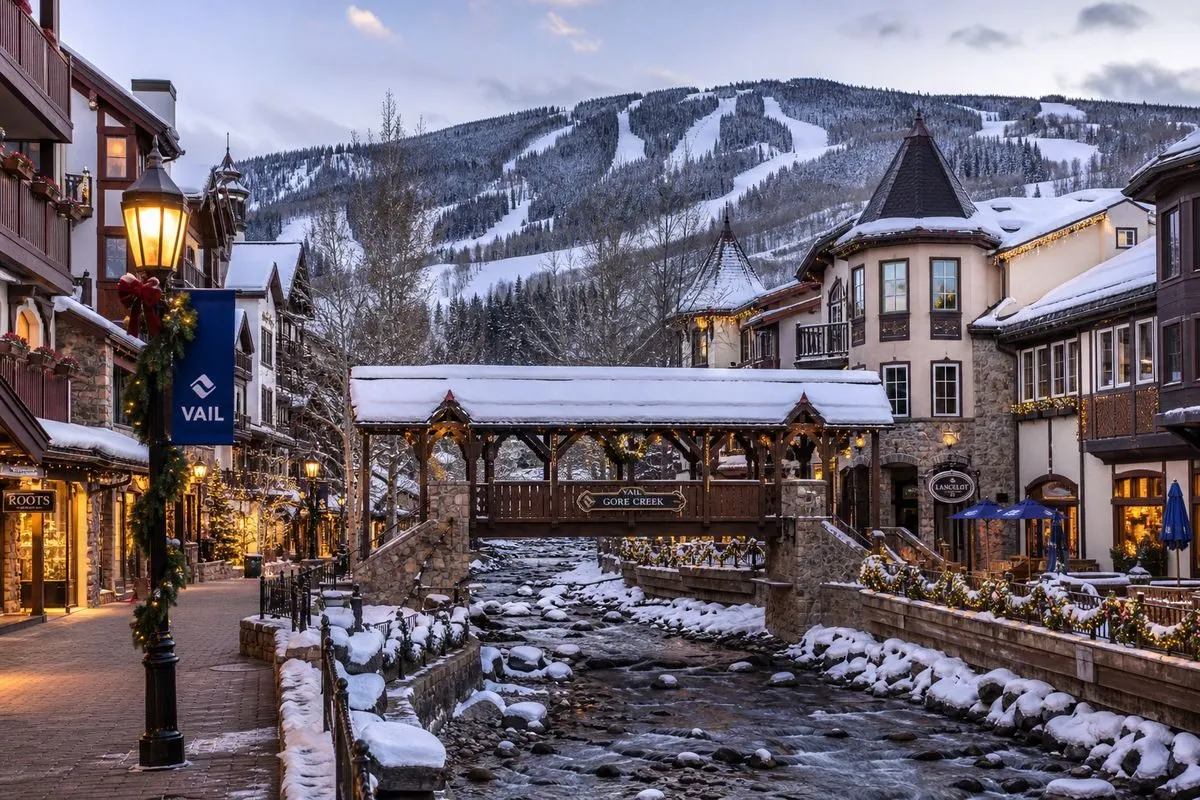
Quick Answer: Vail sits directly on the I-70 corridor, roughly 97 miles west of Denver. The drive is straightforward in concept, take I-70 west through the...
Vail at a Glance, 5,317 Skiable Acres & the Legendary Back Bowls
| Detail | Info |
|---|---|
| Base Elevation | 8,120 ft (2,454 m) |
| Summit Elevation | 11,570 ft (3,527 m) |
| Vertical Rise | 3,450 ft (1,052 m) |
| Skiable Acres | 5,317 |
| Lifts | 32 |
| Trails | 278 |
| Terrain Parks | 3 |
| Average Annual Snowfall | 354 inches (899 cm) |
| Longest Run | Riva Ridge, 4 miles |
| Town Elevation | ~8,150 ft (2,484 m) |
| Drive Time from Denver | ~2 hours via I-70 |
| Closest Airports | Eagle County Regional (EGE), 30 miles west; Denver International (DEN), 97 miles east |
| Year Established | 1962 |
Denver to Vail — I-70, Vail Pass & What to Expect on the Drive
Vail sits directly on the I-70 corridor, roughly 97 miles west of Denver. The drive is straightforward in concept. Take I-70 west through the foothills, climb past Georgetown, pass through the Eisenhower Tunnel (the highest point on the interstate at ~11,158 ft), descend into Summit County, then ascend again over Vail Pass (10,662 ft) before dropping into the Vail Valley. In practice, especially during winter, it demands respect.
Key driving notes:
- Vail Pass is the crux. The uphill from Copper Mountain is gradual, but the westbound descent into the valley is steeper than most drivers expect. Icy conditions and speed contribute to frequent accidents that can shut down the interstate in one or both directions. Downshift, maintain low speed, and stay alert.
- Traction Law is always in effect on I-70 between Dotsero and Morrison from September 1 through May 31. All vehicles must have either AWD/4WD, M+S rated tires with 3/16" tread depth, or chains. Fines for non-compliance range from $130 to $650+.
- Avoid peak traffic windows. Westbound Friday afternoons (2–7 PM) and Saturday mornings before 11 AM are brutal. Eastbound Sunday afternoons (3–6 PM) can easily double your drive time. The sweet spot for a weekend trip: depart Denver by 6 AM Saturday or travel midweek.
- Check conditions before departing. Use COtrip.org or the COtrip Planner app for real-time road conditions, closures, and travel alerts.
- Parking in Vail is expensive and limited. The Vail Village and Lionshead parking structures fill quickly on weekends. Free parking is available at the Vail Transportation Center, with free in-town bus service to the villages. Watch roundabout etiquette at the exits. Not everyone is familiar with the right-of-way.
- Eagle County Airport (EGE) is just 30 miles west and served by several major airlines during ski season. It's a convenient alternative for guests who want to skip I-70 entirely.
For Arion drivers, the Vail Pass descent and the roundabouts at the town exits are the two sections that require the most attention. Conditions can change block by block in this valley. Sunny and dry in West Vail while snowing hard at the Pass.
Skiing Vail — Back Bowls, Blue Sky Basin & 278 Trails Across 32 Lifts
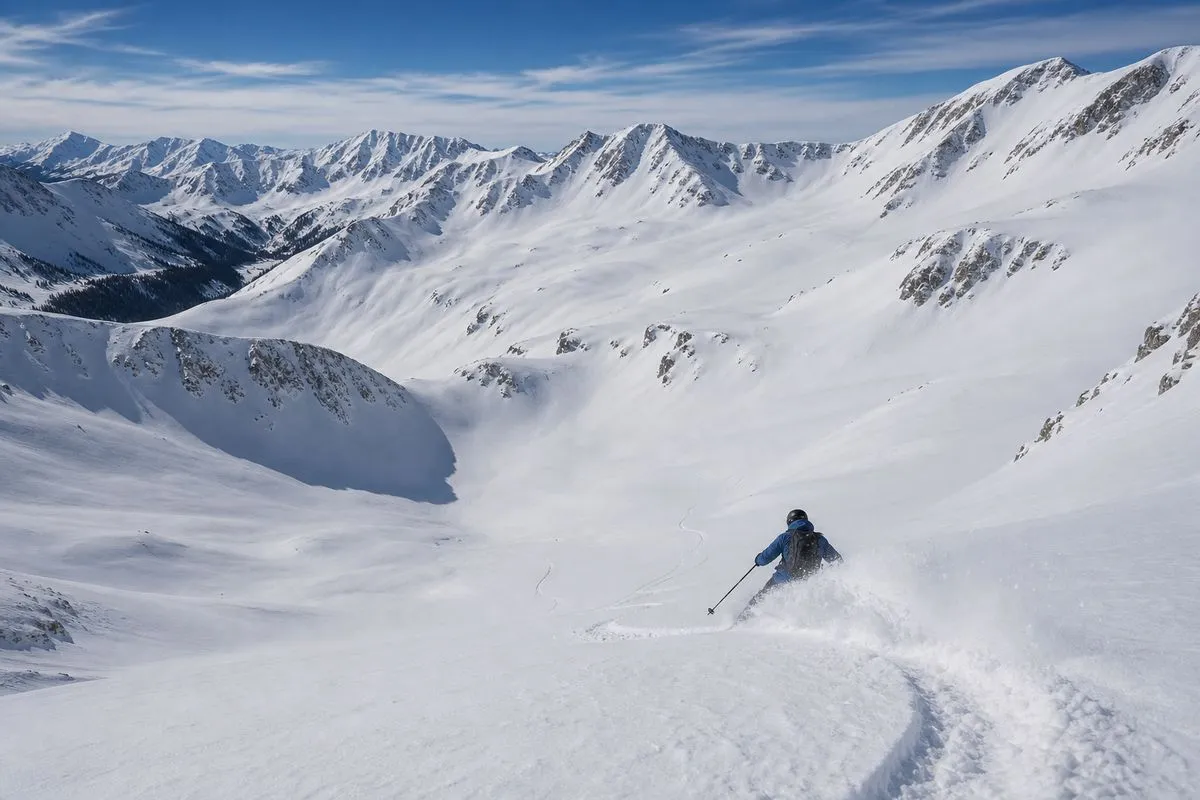
The Skiing
Vail's terrain is divided into three distinct zones: the Front Side, the legendary Back Bowls, and Blue Sky Basin. Together, they offer an astonishing range. From gentle groomed cruisers to wide-open powder fields to tight tree runs.
Terrain breakdown: 18% beginner | 29% intermediate | 53% advanced/expert
The Front Side faces north and holds snow beautifully. It's where you'll find the bulk of Vail's groomed runs, terrain parks, and family-friendly terrain. Runs like Born Free and Simba are ideal for intermediates looking for long, sweeping turns. The longest run on the mountain, Riva Ridge (4 miles), starts at the summit and winds its way to the base with gorgeous views of the Gore Range.
Related reading: Arapahoe Basin: Dining, Activities & Seasonal Adventures
The Back Bowls are what made Vail famous. Seven named bowls, Sun Down, Sun Up, Teacup, China, Siberia, Inner Mongolia, and Outer Mongolia. Span over 3,000 acres of above-treeline terrain. On a powder day after a storm, there's nothing quite like dropping into China Bowl with fresh tracks stretching to the horizon. The bowls are south-facing, so they get plenty of sun. Which means conditions can turn crusty by afternoon.
Blue Sky Basin (Pete's Bowl and Earl's Bowl) was added in 2000 and feels like backcountry skiing within resort boundaries. It's accessed from the Back Bowls and offers a mix of gladed tree runs and open bowls with a wilder, more remote character.
Terrain parks cater to all levels across three parks, with features ranging from beginner boxes to pro-level jumps and rails.
Beyond the Slopes — Winter Activities
Vail's two pedestrian villages. Vail Village and Lionshead Village. Are destinations in their own right, packed with enough activities to fill a week even if you never clip into a binding.
- Snowmobiling at Camp Hale. Book a guided tour through Nova Guides and ride through the historic Camp Hale–Continental Divide National Monument, where the 10th Mountain Division trained during WWII. Half-day and full-day tours available. Sage Outdoor Adventures and Vail Backcountry Tours also offer excellent trips.
- Snowshoeing & Cross-Country Skiing at the Vail Nordic Center. Located in East Vail, the Nordic Center maintains miles of groomed trails for snowshoeing, cross-country skiing, and fat tire biking. Equipment rentals and guided lessons available. The Walking Mountains Science Center also offers free daily snowshoe tours at 2 PM.
- Ice Skating. Outdoor rinks at Arrabelle Square (Lionshead) and Solaris Plaza (Vail Village) are open throughout winter, lit by twinkling lights and framed by the mountains. Skate rentals available on-site.
- Sleigh Rides. 4 Eagle Ranch offers horse-drawn sleigh rides under starlit skies, followed by fireside chili and s'mores. Bearcat Stables provides sleigh rides through snow-covered meadows ending with a prime rib dinner.
- Dog Sledding. Guided mushing tours take you through peaceful forests and open valleys just outside Vail. Weather-dependent, so book early and confirm schedules ahead of time.
- Gondola Rides. Both the Eagle Bahn Gondola (Lionshead) and Gondola One (Vail Village) offer stunning scenic rides. Non-skiers ride free after 3:30 PM. The views of the Gore Range and Mount of the Holy Cross from Eagle's Nest are spectacular, especially at golden hour.
- Adventure Ridge. At the top of the Eagle Bahn Gondola, Adventure Ridge offers snow tubing, ski biking, a mountain coaster, and even a kid-friendly roller coaster. Perfect for families.
- Spa Days. The Vail Valley is home to several top-tier spas. The RockResorts Spa at The Arrabelle and the spa at the Four Seasons Resort Vail offer alpine-inspired treatments that make a perfect rest day activity.
- Village Shopping & Art. Wander through more than 55 pieces of public art, bronze sculptures, murals, and paintings, scattered through Vail Village and Lionshead. Browse Western-style boutiques like Kemo Sabe for handcrafted cowboy hats, or discover alpine fashion at Gorsuch.
- Après-Ski Culture. Garfinkel's ("Garfs") in Lionshead is the quintessential après spot. Live music, spicy mulled wine, and a rowdy-but-fun atmosphere. The Red Lion in Vail Village has been a local institution for decades. For a more refined wind-down, try cocktails at Root & Flower—where mixologists craft drinks with local herbs and fresh ingredients.
- Vilar Performing Arts Center. Located in nearby Beaver Creek, VPAC hosts top-tier live performances ranging from jazz to dance to theater. A short drive from Vail and well worth the evening. See the lineup at vilarpac.org.
- Winter Fly Fishing. The Eagle River and Gore Creek offer Gold Medal waters for winter fly fishing and ice fishing. Outfitters like Vail Valley Anglers and Colorado Angling Co. Provide guided trips and gear.
Where to Eat in Vail — From Sweet Basil to the Red Lion
Vail's dining scene punches well above its weight for a mountain town, with multiple Michelin-recommended restaurants and a range that spans from legendary après joints to white-tablecloth fine dining.
- Sweet BasilContemporary American / $$$–$$$$
A Vail Village institution and three-time Michelin Guide recommended restaurant. The seasonal menu showcases Colorado ingredients with refined technique. Think seared red snapper, surf and turf, and inventive vegetable dishes. The bar scene is lively, and the wine list is deep. Reserve well in advance during ski season.
Related reading: Crested Butte: Dining, Activities & Seasonal Adventures
- Osaki'sJapanese / $$$
Also Michelin-recommended, Osaki's delivers impeccable sushi and Japanese cuisine in an intimate setting. The omakase is a highlight. Located in Vail Village, it's one of the hardest reservations in town for good reason.
- Game Creek Restaurant — New American Fine Dining / $$$$
Accessible only by gondola (ride up to Eagle's Nest, then a snowcat takes you the rest of the way), Game Creek delivers a once-in-a-lifetime dining experience in a European-style alpine lodge. The prix fixe menu changes seasonally. Bring your camera for sunset views before dinner.
- Mountain Standard — Modern Mountain Cuisine / $$–$$$
A contemporary gathering spot in Vail Village known for creative cocktails, shareable plates, and a lively atmosphere. The rooftop patio with fire pits is a primo après-ski destination. Try the wood-fired rotisserie chicken.
- Swiss ChaletSwiss-European / $$–$$$
Fondue, raclette, and rösti in a cozy alpine setting that feels like a transplant from Zermatt. Consistently ranked among TripAdvisor's top Vail restaurants. The cheese fondue is the move, ideally paired with a crisp white wine.
- The Little Diner — Breakfast & Brunch / $–$$
A beloved local favorite in West Vail that's been serving hearty breakfasts since the early days. Expect a wait on weekends. The huevos rancheros and pancakes are worth it. Cash-friendly, no-frills, and charming.
- Vintage — Wine Bar & Small Plates / $$–$$$
An intimate wine bar in Vail Village with an impressive by-the-glass list and thoughtfully prepared small plates. Perfect for a sophisticated pre-dinner stop or a full evening of grazing and sipping.
- Alpenrose — Austrian-Alpine / $$$
Traditional Austrian fare in an elegant Vail Village setting. The Wiener schnitzel is legendary, and the strudel is not to be missed. A warm, romantic choice for a special evening.
- Matsuhisa Vail — Japanese-Peruvian / $$$$
Nobu Matsuhisa's Vail outpost brings his signature Japanese-Peruvian fusion to the mountains. The black cod miso is iconic. Expect a lively scene and a crowd that skews toward the well-heeled. Located at the Solaris complex.
- Westside CafeBreakfast & Casual / $–$$
Another West Vail gem specializing in hearty breakfast and lunch fare. The biscuits and gravy and the breakfast burritos fuel many a ski day. Friendly service and a locals' hangout vibe.
Summer in Vail, Epic Discovery, Betty Ford Alpine Gardens & Gore Creek
When the snow melts, Vail transforms into one of Colorado's top summer playgrounds. Daytime temperatures hover in the comfortable mid-60s to mid-70s°F, the trails open up to hikers and bikers, and the cultural calendar explodes with top-tier festivals.
Hiking Highlights:
- Booth Falls Trail: One of the most popular hikes in the Eagles Nest Wilderness. Moderate difficulty with significant elevation gain. The reward: a stunning 60-foot waterfall framed by the Gore Range. Budget 3–4 hours round trip.
- Booth Lake: Continue past Booth Falls for a more challenging trek to an alpine cirque surrounded by wildflowers and rugged peaks.
- Berry Picker Trail: A 7.9-mile out-and-back near the Eagle Bahn Gondola with remarkable views. Use the gondola to skip the uphill if you prefer.
- Upper Piney River Falls Trail: A gentler trail through open meadows and aspen groves to a cascading waterfall on the Piney River.
- Betty Ford Alpine Gardens — The highest botanical garden in North America, located at the base of Vail Mountain. Free to visit and beautiful from late June through September.
Mountain Biking:
Related reading: Denver Airport to Vail: Private Transportation Planning Guide
- Vail offers both lift-accessed downhill trails on the mountain and paved recreational paths through the valley. The Vail Pass Bike Ride. A 16-mile paved descent from the top of Vail Pass into Vail Village. Is a bucket-list ride. The Vail Recreation Path stretches 15 miles from West Vail to East Vail along Gore Creek, perfect for cruisers and families.
Whitewater Rafting:
- The Eagle River and Colorado River offer trips for all skill levels, from family-friendly floats to Class IV rapids through Glenwood Canyon. Timberline Tours is a popular local outfitter.
Epic Discovery at Adventure Ridge:
- Zip lines, mountain coasters, summer tubing, mini-golf, bungee trampolines, and more. All at the top of the Eagle Bahn Gondola. Open daily June through early September.
Fly Fishing:
- Vail sits on Gold Medal waters. Gore Creek runs right through town, and the Eagle River is minutes away. Hire a guide through Vail Valley Anglers for the best experience.
Horseback Riding:
- Guided rides through aspen groves and alpine meadows. The Four Seasons offers chosen rides including the Bear Hollow and Dark Timber trails.
Llama Hikes:
- Paragon Guides offers the quirky and delightful "Take a Llama to Lunch" hike, where friendly llamas carry your picnic gear through mountain trails.
Summer Events & Festivals:
- GoPro Mountain Games (June) — The country's top adventure sports festival, featuring kayaking, biking, climbing, DockDogs, and live music.
- Bravo! Vail Music Festival: A summer-long celebration of classical music featuring top international orchestras and performers.
- Vail Dance Festival. Top-tier ballet and contemporary dance in an intimate alpine setting.
- Ford Amphitheater Concert Series: Headliner rock, pop, country, and bluegrass acts perform all summer at this stunning outdoor venue tucked against the mountains.
- Vail Film Festival: Independent films, panels, and screenings with an engaged community of film lovers and industry professionals.
Tubing on Gore Creek:
- Rent a river tube from shops like American Ski Exchange, walk to the creek, and float downstream through the heart of the village. A quintessential lazy summer afternoon.
Vail Weather — 354 Inches of Annual Snowfall & What to Pack
Winter (November–April):
Vail averages 354 inches of snowfall annually, with the heaviest months being December through March. Average daytime highs hover around 25–35°F; nighttime lows regularly dip below 0°F. Vail averages about 71 days per year where the temperature never rises above freezing. The Back Bowls, being south-facing, get more sun and can develop a crust by afternoon. Morning sessions are best for powder. Bluebird days are common thanks to Colorado's 300+ days of annual sunshine, which makes cold temperatures feel surprisingly comfortable.
Spring (April–May):
Related reading: DIA to Vail Private Transportation: Routes, Timing & Mountain Travel Tips
Spring skiing extends into April on most years, with warm sunny days (40–55°F) and soft corn snow in the afternoons. The village starts to quiet down and lodging rates drop. May is mud season. Many restaurants and shops close, trails are too wet for hiking, and the town takes a collective breath before summer.
Summer (June–September):
Daytime temperatures range from the mid-60s to mid-70s°F with low humidity and abundant sunshine. July and August are the sunniest months. Evenings cool to the 40s and 50s, so layers are essential. Afternoon thunderstorms are common, especially in July and August. Plan outdoor activities for the morning and carry a rain layer. Wildflower season peaks in late June through early August.
Fall (September–October):
Aspen season is magical, with golden canopies blanketing the mountainsides. Daytime temperatures in the 50s and 60s°F, with cool nights in the 20s and 30s. Hiking conditions are excellent in September. October brings the first dustings of snow on the peaks and a quiet, shoulder-season charm.
What to Pack:
- Winter: Layers (base, mid, insulated outer), waterproof boots, sunscreen (UV is intense at altitude), lip balm, sunglasses, hand warmers.
- Summer: Layers (mornings are cool), rain jacket, sun hat, sunscreen, sturdy hiking shoes, water bottle (hydration is critical at 8,000+ feet).
Getting Around Vail — Free Bus, Pedestrian Villages & Airport Transfers
Vail's pedestrian villages are wonderfully walkable, and a free town bus system connects West Vail, Vail Village, Lionshead, and East Vail. But getting to Vail from Denver or Eagle County Airport, especially in winter. Is where the journey demands planning.
For guests who want to arrive relaxed and ready for the mountains, Arion provides private luxury SUV transfers from Denver International Airport, Eagle County Airport, or anywhere along the Front Range. Every Arion vehicle is equipped with AWD and winter tires that exceed Colorado's traction law requirements, and every driver completes annual ice-driving training specific to the I-70 corridor. For airport pickups, Arion tracks your flight in real time, so if your plane is delayed, your driver adjusts automatically. No circling, no waiting, no stress.
It's the difference between white-knuckling through a Vail Pass snowstorm in an unfamiliar rental car and settling into a warm SUV with a driver who's navigated that descent hundreds of times. For guests traveling between Vail and Beaver Creek or heading to Breckenridge for the day, Arion offers the same level of service for inter-resort transfers.
Related reading: Loveland: Dining, Activities & Seasonal Adventures
Book at ridearion.com or call (970) 703-4995.
For the complete picture, see our Colorado's Mountain Ski Resorts: The Ultimate Guide to Every Destination.
Frequently Asked Questions
Can Arion pick me up from Denver airport and take me to Vail?
Yes, airport-to-resort transfers are one of Arion's most popular services. Your chauffeur tracks your flight, meets you curbside on Level 5, loads your gear, and drives you directly to your lodge or condo — door to door, no stops.
How far in advance should I book transportation to Vail?
Book at least 48 hours ahead for guaranteed availability. During peak seasons, booking a week or more in advance is recommended. Contact Arion for specific availability on your preferred date.
Is it safe to drive into the mountains in winter?
With the right vehicle and a trained chauffeur, yes. Colorado's Traction Law (Code 15) on I-70 requires AWD/4WD or snow-rated tires with adequate tread; Arion vehicles meet or exceed it, carry chains, and our chauffeurs are ice-driving trained and monitor CDOT conditions before and during every mountain run.
